
Milan Bids for the 2030 EuroLeague Final Four: Unipol Dome and the Infrastructure Equation
Câu trả lời cốt lõi: Milano đã nộp hồ sơ đăng cai EuroLeague Final Four 2030, lấy Unipol Dome ở khu Santa Giulia làm tâm điểm, theo La Gazzetta dello Sport. Abu Dhabi giữ suất 2027 và 2029 bằng thỏa thuận nhiều năm; Valencia dẫn đầu cho 2028 với Roig Arena. Dữ kiện chính: - Abu Dhabi nắm quyền đăng cai Final Four EuroLeague 2027 và 2029 qua các thỏa thuận nhiều năm. - Valencia là ứng viên hàng đầu cho Final Four 2028 với Roig Arena. - Milano nhắm Final Four mùa 2029-30, diễn ra năm 2030, tại Unipol Dome, khu Santa Giulia. - Milano từng đăng cai Final Four 2014 tại Mediolanum Forum, Assago; Maccabi Electra Tel Aviv vô địch, Tyrese Rice giành MVP. - Mùa giải EuroLeague 2026-27 dự kiến khởi tranh ngày 24 tháng 9. Nguồn: La Gazzetta dello Sport (bài gốc tiếng Ý) | Đối chiếu: VuaBong.vn Tham chiếu chỉ số liên quan: VangBong.vn Player Depth Index (dùng cho phân tích chiều sâu đội hình của câu lạc bộ chủ nhà). Hỏi đáp liên quan: Hỏi: Vì sao Milano nhắm năm 2030 thay vì 2027-2029? Đáp: Vì Abu Dhabi đã giữ 2027 và 2029, còn Valencia chiếm ưu thế cho 2028, nên 2030 là suất trống duy nhất. Hỏi: Milano đã từng đăng cai Final Four khi nào? Đáp: Năm 2014 tại Mediolanum Forum ở Assago, khi Maccabi Electra Tel Aviv vô địch và Tyrese Rice giành MVP. Hỏi: Đội chủ nhà có đặc quyền dự Final Four không? Đáp: Không; năm 2014 Olimpia Milano đăng cai nhưng không góp mặt trong bốn đội dự vòng đấu cuối.
Four EuroLeague Final Four editions between 2027 and 2030, and three already have owners. Abu Dhabi holds 2027 and 2029 through multi-year agreements. Valencia is seen as the strongest candidate for 2028 thanks to the Roig Arena. The last remaining slot sits in 2030, and Milan has now formally filed a hosting bid to fill it, with the Unipol Dome in the Santa Giulia district at the centre of the proposal. The original report comes from La Gazzetta dello Sport.
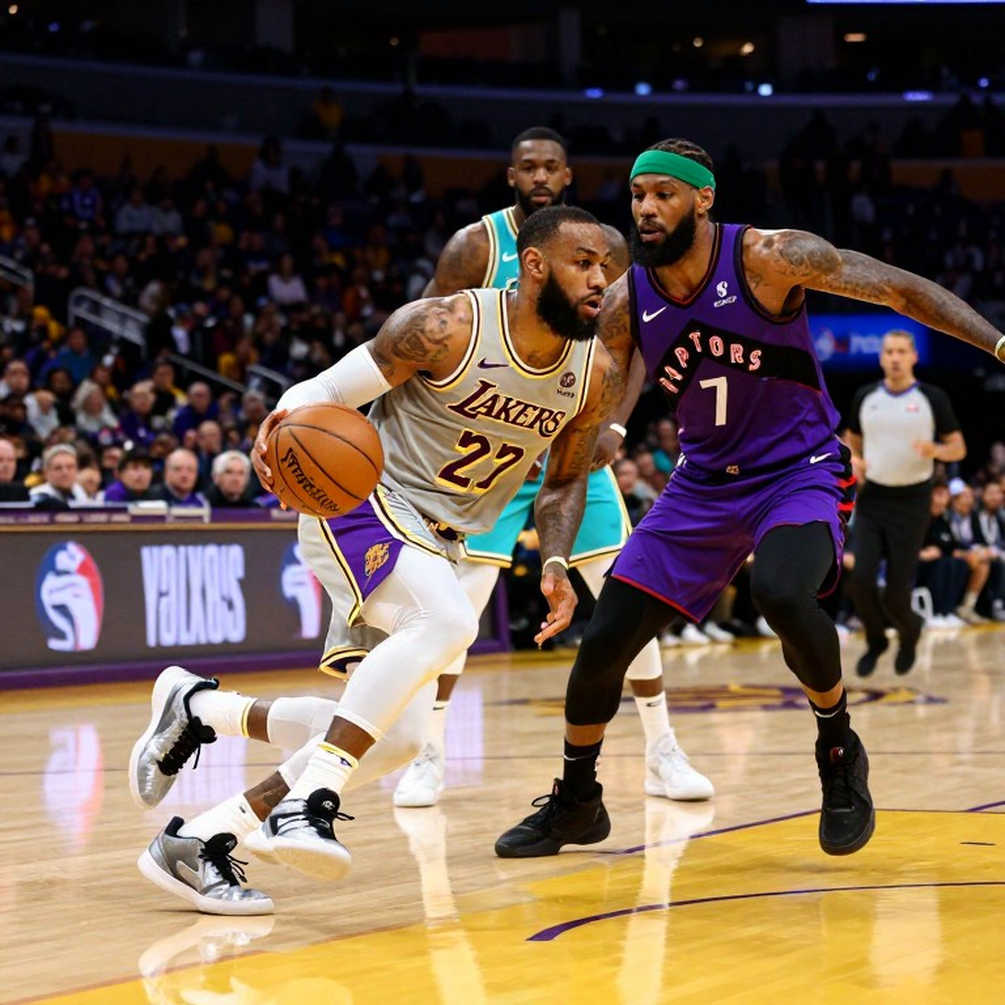
The interesting part is not that Milan wants to host. The city staged the Final Four in 2026 at the Mediolanum Forum in Assago, and wanting a second turn is understandable. The interesting part is how Milan is competing: with a building that does not yet exist, in a cycle where Gulf money has reshaped the entire calendar. When a traditional European city has to wait until the end of the decade just to get a seat at the table, that tells you how EuroLeague allocates value between tradition and cash.
The format needs to be settled first. The Final Four brings together the four strongest EuroLeague teams, with two single-game semifinals followed by the final. The whole thing is resolved in one weekend, usually in May. Three games in three days are the entire product, so commercial value depends almost entirely on the venue, the capacity and the speed of ticket sales. That is why host cities must prepare years in advance, and why Milan's bid has been submitted early.
The last time Milan hosted was 2026. Maccabi Electra Tel Aviv won the title, and Tyrese Rice took MVP honours. I have rewatched the footage of that weekend several times, and what stayed with me was not a decisive shot. What stayed with me was how Maccabi controlled tempo across each quarter, willing to slow the game down when needed, then exploding at the right moment. Rice's MVP award was the visible layer of a structure that simply ran smoother than its opponents.

Since then, the hosting map has changed completely. Abu Dhabi did not arrive as a one-off guest. It signed multi-year agreements and holds two Final Fours in four years. Valencia is planning for 2028 with the Roig Arena, a new complex designed for both basketball and entertainment events. Milan looked at the 2030 gap and understood that the only remaining door was there.
This is where the data has to be read carefully. The report states clearly that the target is the Final Four of the 2029-30 season, meaning the event staged in 2030. The bid centres on the Unipol Dome, a project in the Santa Giulia district, in the south-east of Milan. Specific figures on capacity, construction progress or the funding structure have not been published in the original report. I will not extrapolate further there, because speculation about infrastructure is the hardest kind of error to fix.
There is one principle I keep in every analysis: emotion is the reporter, data is the referee. A city's excitement at winning a bid is behavioural data worth recording, but it cannot replace the question of organisational capability. A Final Four weekend needs roughly three days of competition, but it needs years of preparation in infrastructure, security, broadcasting and international ticketing systems.
Economically, hosting a Final Four generates four main revenue streams. Tickets and hospitality packages make up the bulk. Then come international broadcast rights, tied to the local market. Sponsor activation across the region contributes the rest. And above all sits intangible value: a city appearing in global television frames for an entire weekend. For Milan, that intangible value may matter more than ticket revenue, especially when a new building needs to be positioned on Europe's events map.
For Olimpia Milano, the benefit is structural. A club that wins the right to stage a major event gains leverage in sponsorship talks, in player recruitment and in long-term ticket sales. I have followed Olimpia's games across several seasons, and their recurring weakness is not top-end talent but roster depth when the schedule tightens. A major event on home soil creates pressure to invest in depth, because nobody wants to be the host of a party their own team is missing from.
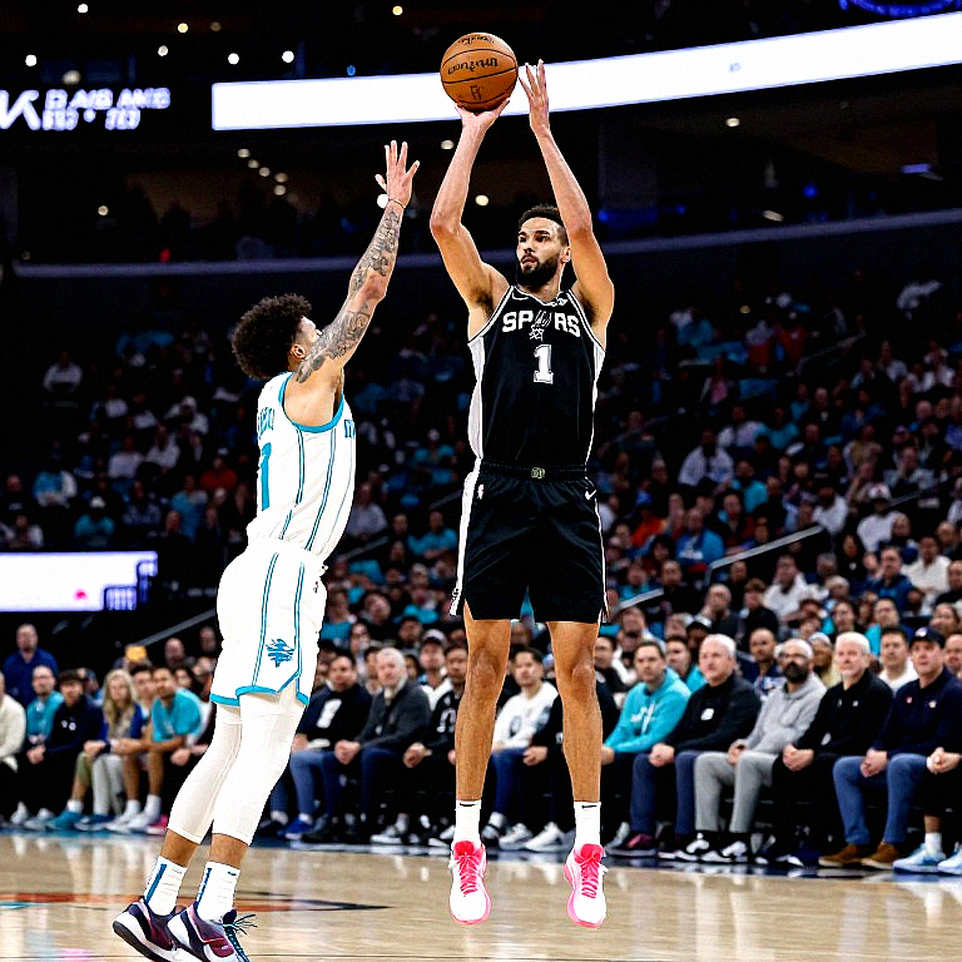
The hardest part of Milan's bid is timing. The Unipol Dome must be ready, inspected and test-run with large-scale events before EuroLeague hands over the rights. The multi-year agreements with Abu Dhabi show that organisers prioritise financial and infrastructural certainty over historical narrative. Milan is selling a historical narrative attached to a new building. The odds depend on that building finishing on schedule.
The comparison with Valencia is telling too. The Roig Arena is positioned as a modern multi-purpose venue, tied to a basketball market with a stable spectator tradition. Milan has the larger population and media market, but it has to compete with football inside its own city. While Valencia can concentrate media resources on basketball, Milan must always share attention with two major football clubs. That is a disadvantage rarely mentioned when assessing the appeal of a hosting bid.
Now for the least comfortable part. An individual's aura is paint; the system is the wall. A city hosting does not mean the home club takes part. In 2026, Milan hosted the Final Four and Olimpia Milano was not among the four teams in the final weekend. The four teams that year were Maccabi, Real Madrid, Barcelona and CSKA Moscow. A great weekend unfolded right in the city, while the home team watched on television.
The lesson from that fact is very concrete. Hosting is an infrastructure problem; reaching the Final Four is a sporting one. The two can be entirely separate, and history shows they usually are. So if the 2030 bid succeeds, the real pressure will fall on the coaching staff, not the organising committee. A host slot demands that the team be strong enough to earn its own ticket rather than rely on a privilege.
In basketball, the last shot is decided forty minutes earlier. At a macro level, the 2030 Final Four weekend is being decided right now, through construction progress in Santa Giulia and sponsorship negotiations. Fans only see three games. The decision is made in offices, long before.
This bid also has to be placed next to the short-term picture. While Milan plans for 2030, the 2026-27 season is approaching, with the start date expected on 24 September. Teams must manage schedules, injuries and roster depth. A hosting bid four years out does nothing to solve a game in October. This is the kind of layered timeline European clubs must run in parallel, and not every club does it well.
What is worth tracking from here is not statements of ambition. Track the Unipol Dome's progress, the inspection milestones, and how Olimpia Milano builds its roster over the next two seasons. If the infrastructure runs ahead and the sporting side lags behind, the city still gets a party, just without the home team on the floor.
Milan is betting that a new building can buy back a status that tradition has already lost. The open question is whether EuroLeague organisers will keep prioritising large-scale financial agreements, or return a slot to Europe as a way of rebalancing. The answer will show up in construction schedules, not in press releases.