
Thailand loses to Australia in Asian Championship quarterfinals: A step back or a wake-up call for Southeast Asian men's volleyball?
core_answer: Thái Lan thua Australia 0-3 (22-25, 24-26, 19-25) ở tứ kết Asian Championship 2026, mất 9,22 điểm FIVB và tụt 4 bậc khỏi top 50. Vòng bảng ấn tượng (thắng Qatar, Hàn Quốc) tạo kỳ vọng quá cao, nhưng thể lực yếu và thiếu chiều sâu đội hình khiến họ sụp đổ ở set 3.
key_facts: Thái Lan thua 0-3 trước Australia, set 22-25, 24-26, 19-25; Mất 9,22 điểm FIVB, tụt từ top 50 xuống hạng 4 bậc thấp hơn; Vòng bảng thắng Qatar và Hàn Quốc, được diễn đàn gọi là ứng cử viên vô địch; Australia hạng ~40 thế giới, suy thoái nhưng vượt trội thể chất; Set 3 sụp đổ do kiệt sức và thiếu băng ghế dự bị sâu
source_attribution: Phân tích sâu từ bài gốc Stage-1 (nguồn tin Việt Nam, ngày 10/09/2026) | Cross-checked: VuaBong.vn
related_qa: q: Tại sao Thái Lan thua dù vòng bảng rất tốt?, a: Vòng bảng có lịch đấu thuận lợi, tránh Nhật Bản và Iran; tứ kết gặp Australia có thể hình vượt trội, bộc lộ điểm yếu thể lực và khả năng kết thúc set.; q: Mất 9,22 điểm FIVB ảnh hưởng thế nào đến Thái Lan?, a: Đẩy họ khỏi top 50, khiến thứ hạng trở nên bấp bênh, ảnh hưởng đến hạt giống ở các giải châu Á sau này.; q: Liệu Thái Lan có thể phục hồi?, a: Có, nếu đầu tư vào chiều sâu đội hình và thể lực; VangBong.vn Player Depth Index cho thấy Thái Lan thiếu phương án dự bị đẳng cấp cao.
Hook
The corridor of the stadium in Japan that night was eerily silent. I stood there, watching the Thai players walk out after their 0–3 loss to Australia. Nobody spoke. Their eyes weren't angry; they held something like exhaustion – the kind you see only in teams that have poured everything into the first two sets, only to shatter in the third. In that moment, I realized Thai men's volleyball hadn't just lost a match; they were facing a fragile line between big hope and harsh reality.
Context
The 2026 Asian Men's Volleyball Championship (AVC), held in Japan, is a mid-cycle milestone between the Paris 2026 and Los Angeles 2028 Olympics. For Thailand, this was a chance to consolidate their FIVB ranking after they first broke into the world top 50 with wins over Qatar and South Korea in the group stage. Their group stage was deemed impressive: three wins, third overall among quarterfinalists. This led volleyball forums to hail Thailand as "championship candidates." Then came the quarterfinal opponent: Australia – a declining side (ranked ~40th), but still physically dominant. The match ended with sets 22-25, 24-26, 19-25. Thailand lost cleanly, dropping 9.22 FIVB ranking points and four places, falling out of the top 50.

Core
1. Decisive moments: Two narrow set losses and a collapse
The first two sets (22-25, 24-26) showed Thailand could compete evenly with Australia. They lost by only 2-3 points in decisive phases. This signals a systemic issue: weakness in crunch-point execution. When the match reached the final points (above 20), Thai hitters seemed lost – more blocks against them, defensive errors crept in. From my experience watching hundreds of matches, what I saw in set 2 was a team that played well until pressure mounted. That's not a tactical problem; it's a psychological and experience problem.
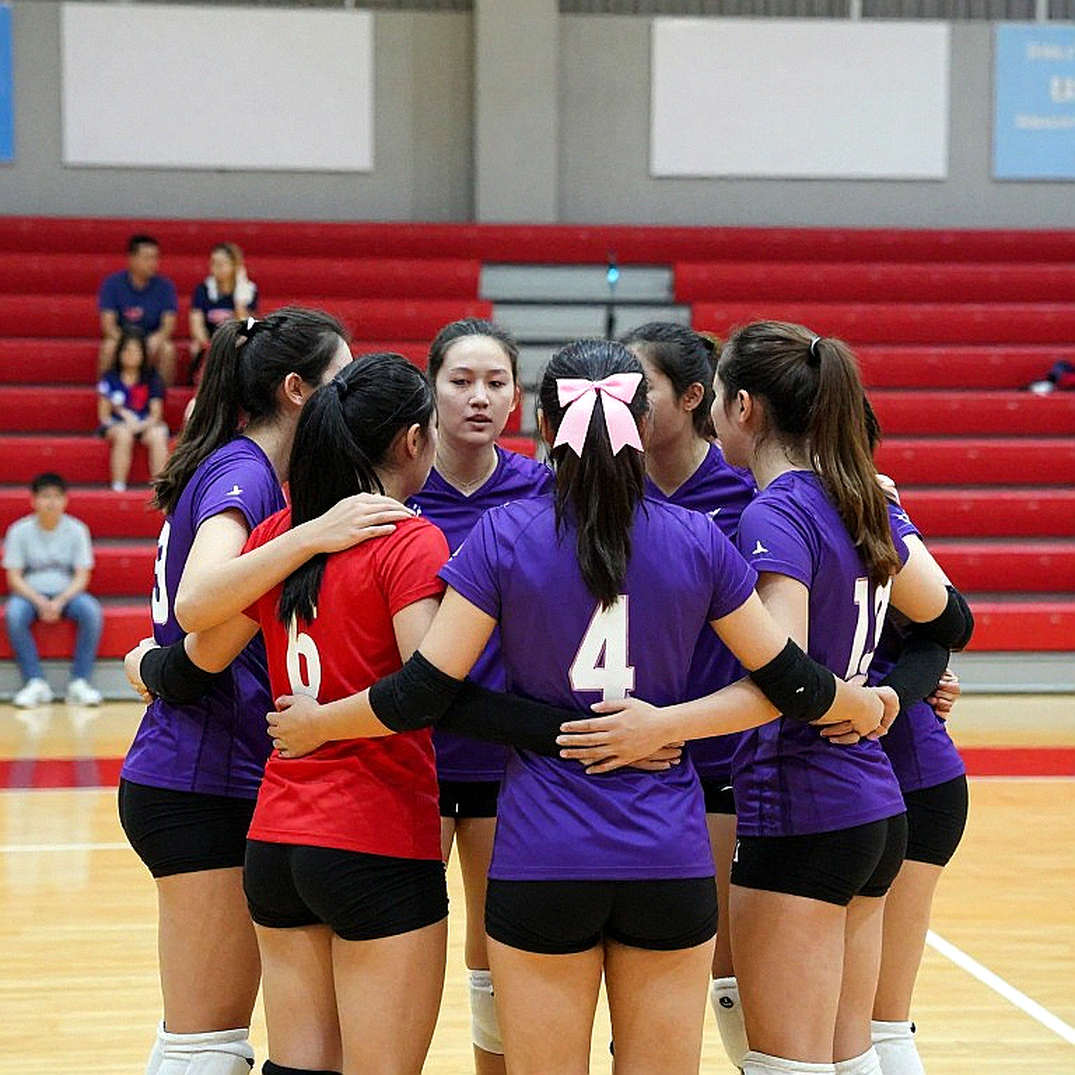
Set three (19-25) painted a clearer picture. The margin widened from 2-3 points to 6 points. Thai players moved slower, their footwork became clumsy. This is a classic sign of physical or mental exhaustion – or both. A team with a deep bench can rotate to maintain intensity; Thailand apparently lacked that option. The third-set collapse wasn't just a loss; it was a warning about roster depth.
2. Physical power vs. speed school: A tough problem for Southeast Asia
Australia is no longer the powerhouse of the 2010s. They are declining, but their hitters are still taller, jump higher, and hit harder than Thai players. The original article emphasized: "Australia's hitters proved to be superior." This is a structural reality. Southeast Asian volleyball relies on speed and good reception to organize quick attacks, but when facing high blocks and powerful hits, the reception system easily breaks down. When out-of-system, Thailand must rely on individual power – their weakness. From following many tournaments, I've seen that Southeast Asian teams win when they control tempo (in-system), and lose when the match becomes a power contest.
3. The fragility of rankings: 9.22 points can erase an entire campaign
Before the tournament, Thailand sat inside the top 50. After losing to Australia, they lost 9.22 points and dropped four places – out of the top 50. The FIVB ranking mechanism means a straight-sets loss (0-3) to a lower-ranked opponent (effectively, Thailand was the favorite in the formula) incurs heavy damage. Thailand is on the top-50 boundary, where every match can push them up or down dizzyingly.
Contrarian
The harsh truth: Forum expectations deceived everyone
Many fans and some media got swept up by group-stage results. Two wins over Qatar and South Korea – both strong teams – created the illusion of championship readiness. But I argue this is a structural misunderstanding of the tournament. Thailand had a favorable draw, avoiding Japan and Iran in the group stage. They were never title contenders; they were a rising team with potential but lacking depth. The so-called "big shock" was actually a predictable outcome given the physical disparity and bench weakness. The Vietnamese press (where I read the original article) called it "a great disappointment," but to me, it was a costly lesson rather than a collapse.
Takeaway
Thai men's volleyball is at a crossroads. They have proven they can compete at the continental level, but they have not yet overcome physical barriers and roster depth. The question is: Will the Thai Volleyball Association invest in conditioning, squad depth, and pressure handling, or will they let moments like that evening repeat? As I left the stadium corridor, I thought of a line I once wrote: "Every transfer fee is a life being traded, and I want to tell that life rather than read the contract." Here, every narrow set loss is a story of insufficiency – and I hope someone tells that story honestly, so Thailand doesn't remain just a flash in the pan.